
Counselling for Teenagers: Navigating the Pressures of Adolescence and Social Media
I feel so sorry for teenagers and am so relieved that I am not one anymore! Adolescence is about discovering who they are on the social totem pole, and it can be brutal. If you are the cool sportsman or the popular beauty, it is easier, but there are still times of insecurity.
Friends are everything for a teenager. Parents are boring and know nothing and don’t understand… I venture to say that girls have it more difficult than boys, as they are generally more sensitive and open to nuances.
The Pressure to Belong: A Case Study
A client I saw many years ago was fourteen at the time, and she was desperate to be part of the ‘cool girls’ group. I understood her need. She wanted it to rub off on her, and she could look and feel that she was one of the cool and popular girls, too. The problem for her is that she didn’t have that ‘certain something’ that the other girls wanted in their friend group, and she tried all sorts of things, but it wasn’t working. She assumed that she was not good enough, and she started disliking herself and her looks more and more until she started self-harming because she didn’t know what to do with her feelings of shame, helplessness, and self-hatred.
One day, the ‘queen bee’ invited her to sit with her at lunchtime, and it was the best day of her teenage life. All her insecurities vanished; it was miraculous. She was invited to a get-together at the parking level of a shopping centre one Friday evening, and she spent hours poring over her clothes, hair, and make-up to choose the right look.
I saw her again on the following Monday. She was dejected, sad, and confused. She had gone to the get-together, and there were boys and girls there. They were drinking, smoking, and kissing. She felt so awkward, so out of place; this is not what she was doing in her life, and she didn’t know where to put herself. The girls did not include her because they had all paired up with boys. She called her parents to fetch her early. She was inconsolable in the car, confused and filled with self-loathing.
We talked about the ‘queen bees’ and what being a ‘queen bee’ entails, particularly for the small group around the queen who had to do exactly as she did in order to stay part of the exclusive group. We talked about the pressure that they must be facing, having to buy fancy clothes, do certain things with boys, and smoke and drink. My client saw that those were not her moral choices and that instead of feeling less-than, she could feel relieved that she didn’t have to live with such pressure. I urged her to focus on the rest of the girls, the ones who weren’t part of the pressurised ‘queen bee’ group. She did and found her own people there. They weren’t less than the fancy girls; there were many girls who led similar lives to her, with whom she could have fun, and she ended up making lifelong friends from this group.
Confronting Negative Beliefs and Peer Influence
Another client I saw was a beautiful sixteen-year-old girl. She came into my counselling room and promptly told me that she was the worst person and the ugliest girl in living history. I asked her to take as much time as she wanted, but I needed her to tell me the very worst part of herself. After a while, she looked blankly at me and told me that she couldn’t think of anything. I took her to look in a mirror, and I asked her to really look at herself and tell me the ugliest part of her. Once again, she couldn’t find anything.
It was time to look at where her beliefs originated. She had been to a school function, and some of the boys were sitting in a group. As she walked past, one boy shouted that she was horrible and ugly. He didn’t know her. I asked her to expand her view of the event. I asked her what she imagined the boy who shouted at her was doing and feeling. “I think he was showing off to his friends and was trying to look cool because he doesn’t really feel that cool.” Exactly. Just because he said it doesn’t make it true. It helped her to have some compassion for the boy because he needed to be rude to someone he had never seen before to make himself feel big.
It was important that she came for counselling and confronted herself in the mirror in more ways than one. So many of us, me included, can remember when our peers were nasty to us and said horrible things, many years later. It is important to establish if it was true at the time and if it is true now. What other people do has nothing to do with us. It is part of their own movie script, a way for them to feel big in the moment, to get a reaction from their friends, or to distract themselves from their own situations.
Another client of mine refuses to dance because in Grade four, a teacher laughed when he danced in the classroom. He was seventy years old when he told me the story. I put music on in my counselling room and left the room, and the client danced alone. When I came back into the room, he actually asked me to join in because he was having such fun.
The Impact of Social Media on Teenage Mental Health
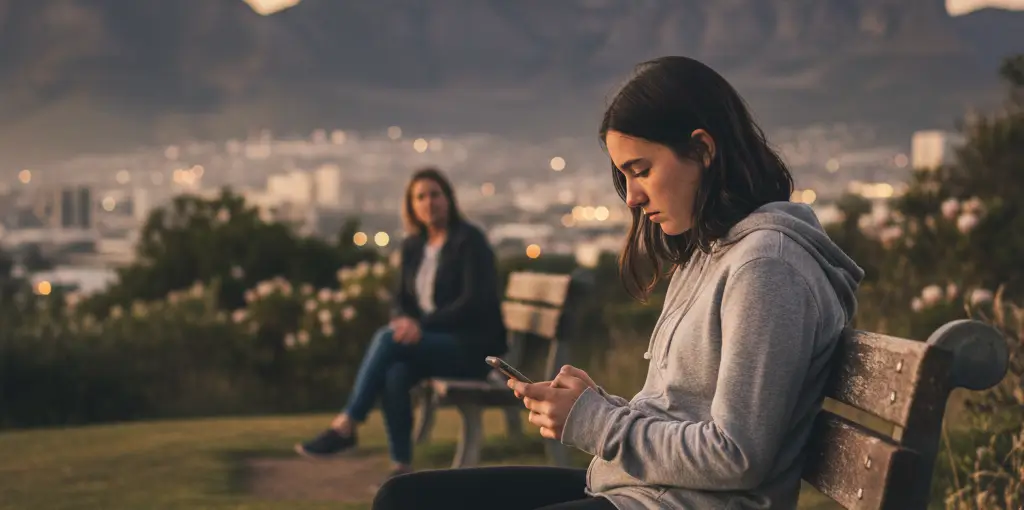
The dreaded social media! Boys and girls are suffering so much from social media posts. Teenagers are self-centred by nature, and they don’t think too much about posting about the party they are attending while others in the group are not invited. It is extremely painful to be excluded at any age, but particularly at that age. It brings up feelings of worthlessness and self-hatred. Bullying on social media has sadly led to many teenagers all over the world committing suicide. Suicide levels have never been as high as since social media came into being.
Teenagers, like younger children, often don’t have the vocabulary to explain the feelings that they are experiencing. They don’t want to talk to their parents because they think they won’t be understood or held through their pain. Our brains are only fully formed at 25 years of age. Before that, teenagers are by nature reckless, not thinking about long-term consequences, and they are at risk in many areas of their lives. One in ten teenagers will become alcoholics. They don’t think of how their cutting can kill them or scar them forever.
How Parents Can Support Their Teenagers
It is incumbent on the parent to remain aware of what their children are doing, be it on the computer, social media, smoking, vaping, drinking, driving with someone else who has been drinking, going in taxis on their own at night, walking home in a huff from a friend at night, and many other dangers. We want our teens to learn about the world, so we loosen the guardrails a bit but not too much because we need to keep them safe from themselves and potential poor choices.
The most crucial thing a parent can do is to show their teen that whatever they say to you will not be judged, that you will not shame or belittle them. They need, like all of us, to be seen as having value, to be acknowledged, and to be spoken to gently about how they feel and what other options they could think of together if the teen should find themselves in a difficult situation. Wouldn’t we as adults now wish we had someone like that who had our back?
Author: Debbi Rozowsky Debbi is a published Cape Town–based counsellor with over 28 years’ experience in trauma, anxiety, grief, and life challenges. She offers a calm, compassionate, and practical approach, helping clients gain clarity, emotional balance, and resilience. Her work is informed by both professional expertise and lived experience, providing a safe and supportive space for meaningful healing and growth.
Support for Your Teen’s Journey If your teenager is struggling with the pressures of social media, self-esteem, or peer groups, you don’t have to navigate it alone. Debbi Rozowsky offers a non-judgmental and safe space for teens to find their voice and build resilience.